Latest Israel Iran conflict updates today

The fragile balance of power in the Middle East was shaken once again after Tehran fired missiles at northern Israel, triggering a swift military response from Israel. The latest escalation in the Israel Iran conflict has raised fears of a broader confrontation that could impact not only the region but also global security and economic stability.
For residents in northern Israel, the night began with the sound of warning sirens and urgent alerts. Families rushed to shelters, schools suspended activities, and emergency services prepared for the possibility of casualties. Within hours, Israel responded by launching air strikes on Iran, marking another dramatic chapter in the long-running rivalry between the two nations.
As the world watches closely, questions are growing about what happens next and whether the latest violence could evolve into a larger regional conflict.
Tehran Fires Missiles at Northern Israel
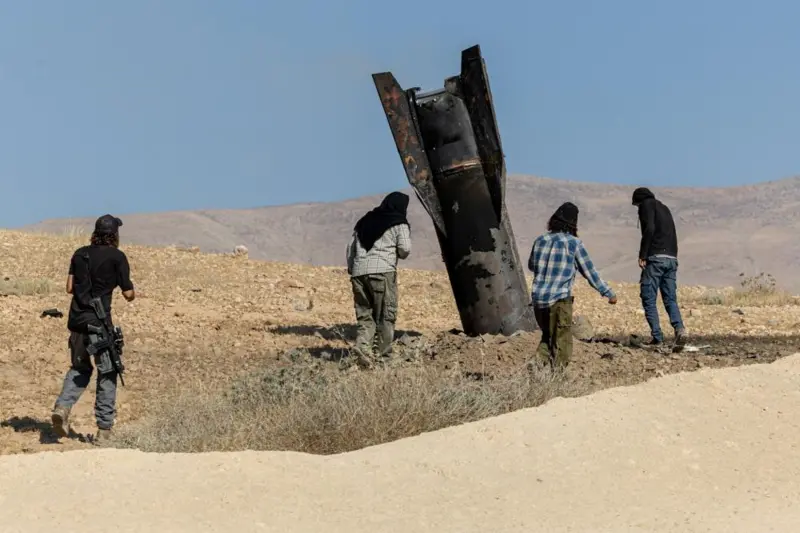
According to reports, Tehran fired missiles at northern Israel, prompting immediate defensive measures by Israeli authorities. Air raid sirens sounded across several communities, sending residents scrambling for safety.
For many people living near Israel’s northern border, the attack was a frightening reminder of the security challenges that continue to define daily life. Parents gathered children in protected rooms, while local authorities advised residents to remain indoors until the threat had passed.
The Iran missile attack on Israel quickly became a major international news story. While Israel’s advanced defense systems reportedly intercepted many incoming projectiles, the attack demonstrated Iran’s willingness to engage directly in the ongoing confrontation.
Security analysts noted that the ballistic missile attack represented a significant escalation compared to previous incidents involving proxy groups and indirect military actions.
Fear on the Ground as Families Seek Safety
Behind every headline are ordinary people whose lives are disrupted by conflict.
In northern Israel, residents described moments of panic as sirens echoed through neighborhoods. Many families were awakened in the middle of the night and forced to seek shelter within seconds.
Business owners closed their stores, public transportation faced delays, and local communities struggled with uncertainty about what might happen next.
For many Israelis, the latest attack was more than just another military incident. It was a reminder that regional tensions can quickly become personal, affecting homes, schools, and workplaces.
The impact of Iran missile strikes on northern Israel is therefore measured not only in military terms but also in the emotional toll placed on civilians.
Israel Launches Retaliatory Strikes
Shortly after the missile attack, Israel responded with what officials described as a targeted military operation.
The Israeli air strikes on Iran reportedly focused on locations linked to military infrastructure and missile-related activities. Israeli officials stated that the operation was designed to reduce future threats and demonstrate that attacks on Israeli territory would not go unanswered.
The Israel military response was swift and carefully coordinated. Fighter aircraft carried out missions against selected targets, while defense officials emphasized that the objective was to protect national security.
News of the strikes quickly spread across the world, with many observers viewing the action as a predictable but serious escalation in the broader Tehran Israel conflict.
Why Did Israel Launch Air Strikes on Iran After Missile Attack?
Many people are asking: Why did Israel launch air strikes on Iran after missile attack?
Israeli leaders have consistently maintained that direct attacks against the country require a strong response. From Israel’s perspective, failing to respond could encourage further aggression and undermine deterrence.
Military experts explain that retaliatory operations are often intended to send a strategic message. By conducting strikes against military-related targets, Israel seeks to demonstrate its capability and willingness to defend itself.
This helps explain why Israel retaliates against Iran military targets following attacks that Israeli officials believe threaten national security.
Supporters of the operation argue that it was necessary to prevent future attacks, while critics warn that continued retaliation could increase the risk of wider conflict.
Middle East Tensions Reach a New Level
The latest exchange has intensified already high Middle East tensions.
For years, the relationship between Israel and Iran has been marked by political hostility, military competition, and competing regional interests. However, direct exchanges between the two countries carry particular significance because they increase the possibility of a larger confrontation.
The current Middle East conflict escalation June 2026 comes at a time when the region is already facing numerous challenges, including political instability, economic pressures, and ongoing security concerns.
Analysts warn that additional military actions could draw neighboring countries into the crisis, creating a broader regional security crisis that extends beyond Israel and Iran.
Global Leaders Express Concern
The international community has reacted with growing concern to the latest developments.
Several governments have urged restraint and called on both sides to avoid further escalation. Diplomatic channels have reportedly become increasingly active as officials seek ways to reduce tensions.
The Iran Israel latest news has dominated international headlines, prompting discussions about regional stability and the potential consequences of continued military confrontation.
World leaders understand that any major conflict involving Israel and Iran could have far-reaching implications. Beyond the immediate security concerns, there are fears about disruptions to trade routes, energy supplies, and financial markets.
As a result, diplomatic efforts are expected to intensify in the coming days.
The Human Cost of Escalation
While military analysts focus on strategy and geopolitics, ordinary citizens often bear the greatest burden.
Families in both Israel and Iran face uncertainty whenever tensions rise. Parents worry about their children’s safety, businesses struggle with instability, and communities live under the constant threat of further violence.
Every missile launch and every air strike carries consequences beyond the battlefield.
The Israel Iran war latest developments are not just stories about governments and militaries. They are also stories about people whose lives are shaped by decisions made far from their homes.
Humanitarian organizations have repeatedly warned that prolonged conflict can create lasting social and economic damage, affecting generations long after the fighting ends.
Latest Israel Iran Conflict Updates Today
The latest Israel Iran conflict updates today suggest that both countries remain on high alert.
Military forces continue monitoring the situation, while intelligence agencies assess potential future threats. Security experts believe the coming days will be critical in determining whether tensions begin to ease or continue to rise.
The Tehran missile attack on northern Israel explained by analysts as both a military and political signal, while Israel’s response demonstrates its determination to maintain deterrence.
At the moment, there is significant uncertainty about what the next phase of the confrontation may look like.
Diplomatic negotiations, military preparedness, and international pressure will all play important roles in shaping the outcome.
What Happens Next?
Predicting the future of the Israel Iran conflict remains difficult.
Some analysts believe both sides may seek to avoid a prolonged war while still maintaining a strong public position. Others fear that continued retaliation could create a cycle of escalation that becomes increasingly difficult to control.
The possibility of additional military actions cannot be ruled out, especially if either side perceives a new threat.
At the same time, diplomatic efforts continue behind the scenes, offering hope that tensions can be reduced before the situation deteriorates further.
The coming days will likely determine whether the current crisis remains limited or develops into a larger regional confrontation.
Conclusion
The moment when Israel hits Iran with air strikes after Tehran fires missiles at northern Israel represents one of the most significant developments in the ongoing rivalry between the two nations.
The Iran missile attack on Israel, followed by Israel retaliatory strikes, has increased concerns about regional stability and intensified already high Middle East tensions.
As governments around the world call for restraint, millions of people across the region are watching anxiously, hoping that diplomacy can prevent further violence.
For now, the latest Israel Iran conflict updates today highlight a reality that many in the region know all too well: peace remains fragile, and every military action carries the risk of wider consequences.
The world will continue monitoring the situation closely as leaders attempt to navigate one of the most dangerous moments in the modern Tehran Israel conflict.
Tags:
Ballistic missile attackIran Israel latest newsIran missile attack on IsraelIsrael hits Iran with airIsrael hits Iran with air strikesIsrael hits Iran with air strikes after Tehran fires missiles at northern IsraelIsrael Iran conflictIsrael Iran war latest developmentsIsrael retaliatory strikesIsraeli air strikes on IranLatest Israel Iran conflict updates todayMiddle East conflict escalation June 2026Middle East tensionsTehran fires missiles at northern IsraelTehran missile attack on northern Israel explained